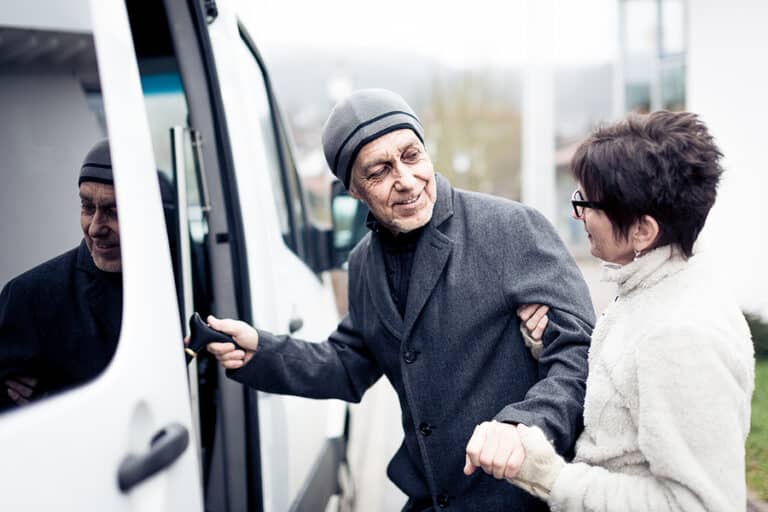
Giving up driving can protect an older adult from unsafe situations, but it can also remove a major source of independence. Medical visits, grocery trips, errands, and social activities do not stop when a senior hands over the keys. Senior transportation through home care helps older adults continue reaching important destinations with dependable, personalized assistance. For adult children, it can also reduce the strain of coordinating every ride around work and family schedules.
Senior transportation is more than time spent in a vehicle. A successful outing may require help getting dressed, gathering personal items, walking to the door, getting in and out of the car, and reaching the right office or store. A family member who says, “I arranged a ride,” may still be leaving several difficult steps unresolved. Home care can support the whole outing rather than focusing only on mileage.
Driving Changes Can Affect Confidence and Identity
Many seniors have driven for most of their adult lives. The decision to stop may follow vision changes, slower reactions, a medical recommendation, or a frightening near miss. Even when everyone agrees that driving is no longer safe, the loss can feel personal. The senior may worry about becoming dependent or having to ask for permission every time they want to leave home.
Families can acknowledge that loss while offering a workable alternative. Instead of presenting transportation as a restriction, frame it as a way to preserve access to appointments, errands, and meaningful activities. Predictable support gives the senior more confidence that important plans will not disappear with the car keys.
The Trip Begins Before the Front Door
An older adult may need reminders about appointment times, help choosing weather-appropriate clothing, or help finding glasses, identification, and paperwork. Mobility limitations can make the walk from a bedroom to the car more tiring than expected. Rushing increases stress and may affect balance.
A senior transportation caregiver can arrive with enough time to help the senior prepare at a comfortable pace. Depending on the care plan, support may include dressing, walking and mobility assistance, transferring, reminders, and safety supervision. This preparation helps the outing begin calmly and reduces the chance that essential items are left behind.
Medical Appointments Are Only One Part of Transportation
Health care visits may be the first need families think about, but community life includes much more. Grocery shopping, pharmacy errands, hair appointments, visits with friends, faith gatherings, and social activities can all contribute to a senior’s routine and sense of connection.
BrightCare Home Care lists senior transportation for medical appointments, errands, and social activities among its services. That range matters because independence is not measured only by whether a person gets to the doctor. It also includes the ability to participate in ordinary life and maintain relationships outside the home.
Accompaniment Can Make an Outing More Manageable
Some older adults can ride safely but feel unsure once they arrive. Large parking lots, unfamiliar entrances, long hallways, or crowded waiting areas can be tiring. A senior with reduced mobility may need an arm for balance or extra time getting through a building.
Senior transportation support can continue beyond the curb. A caregiver can assist with walking, remain present during errands, and help the senior return home safely. Caregivers do not interpret medical information or make treatment choices, but their presence can make the practical parts of an appointment less stressful.
Reliable Transportation Reduces Last-Minute Pressure
Adult children often become the default drivers, even when they live across town or manage demanding work schedules. A sudden appointment change can lead to missed meetings, hurried school pickups, or conflict among siblings about who is available. Over time, transportation may become one of the most difficult parts of family caregiving.
Scheduled support creates another option. Families can remain involved without treating every outing as an emergency. A clear calendar and care plan also help the senior know when senior transportation is coming, which can reduce worry and repeated phone calls.
Transportation and Companionship Often Work Together
A ride can also provide social connection. Conversation on the way to an appointment, help selecting groceries, or company during a simple errand can make leaving home feel more enjoyable. For a senior who spends long periods alone, a planned outing may become an important part of the week.
Companionship can continue at home through shared conversation, meal preparation, hobbies, or help with light household routines. Combining senior transportation with other services allows the care plan to support the full day rather than one isolated trip.
Safety Depends on Honest Planning
Families should consider more than whether the senior can sit in a car. Can the person walk from the home to the vehicle? Is assistance needed with transfers? Does confusion make it difficult to remember the destination? Will the senior need help carrying groceries or returning inside after the trip?
These details help determine the right level of support. BrightCare Home Care develops individualized service plans and can adjust them as needs change. A senior who initially needs transportation alone may later benefit from mobility assistance, reminders, personal care, or safety supervision before and after outings.
A Conversation About Driving Should Preserve Respect
Telling a parent to stop driving can quickly become emotional. Begin with specific observations rather than broad judgments. Mention a recent difficulty, a physician’s recommendation, or a concern about a particular route. Then move directly to alternatives so the discussion does not end with a loss and no plan.
Ask which destinations matter most. A parent may be more open to change after hearing that grocery shopping, appointments, and weekly activities can still continue. Involving the senior in scheduling and preferences also helps protect a sense of control.
Mobility Should Not Decide Who Stays Connected
Aging may change how a person travels, but it should not automatically end access to the community. Thoughtful transportation support can help seniors keep appointments, complete errands, and maintain valued routines without driving themselves.
Senior transportation is most useful when it addresses the entire experience: preparing to leave, moving safely, reaching the destination, and returning home comfortably. With dependable assistance in place, adult children gain breathing room and older adults can continue taking part in the places and relationships that give structure to their lives.
If you or an aging loved one are considering Senior Transportation in Metairie, LA, please contact the caring staff at BrightCare HomeCare – New Orleans today! (504) 300-0998
BrightCare HomeCare – New Orleans provides exceptional senior home care in New Orleans, Metairie, Jefferson, Harahan, Kenner, LaPlace, River Ridge, Destrehan, Chalmette, and the surrounding areas.

Through a personalized care plan, BrightCare HomeCare provides the necessary services and care to cater to your unique personal and health needs. With us, we ensure around-the-clock services and supervision to help achieve optimum health and wellness.
We are a top provider of home care services in Lafayette, Youngsville, Broussard, New Iberia, Breaux Bridge, Carencro, Opelousas, Sunset, Crowley, Abbeville, Scott, Cecilia, Port Barre, Iota, and the surrounding areas.
- An Apple a Day, a Smile Along the Way! BrightCare HomeCare Celebrates National Apple Day - October 23, 2026
- More Than “Thank You for Your Service”: Meaningful Ways to Celebrate the Veteran in Your Life This November - October 23, 2026
- Don’t Let Choosing a Home Care Provider Spook You! BrightCare HomeCare Is Here to Help - October 9, 2026